The Occult Timothy Leary by Joseph L. Flatley
- Frater R∴C∴
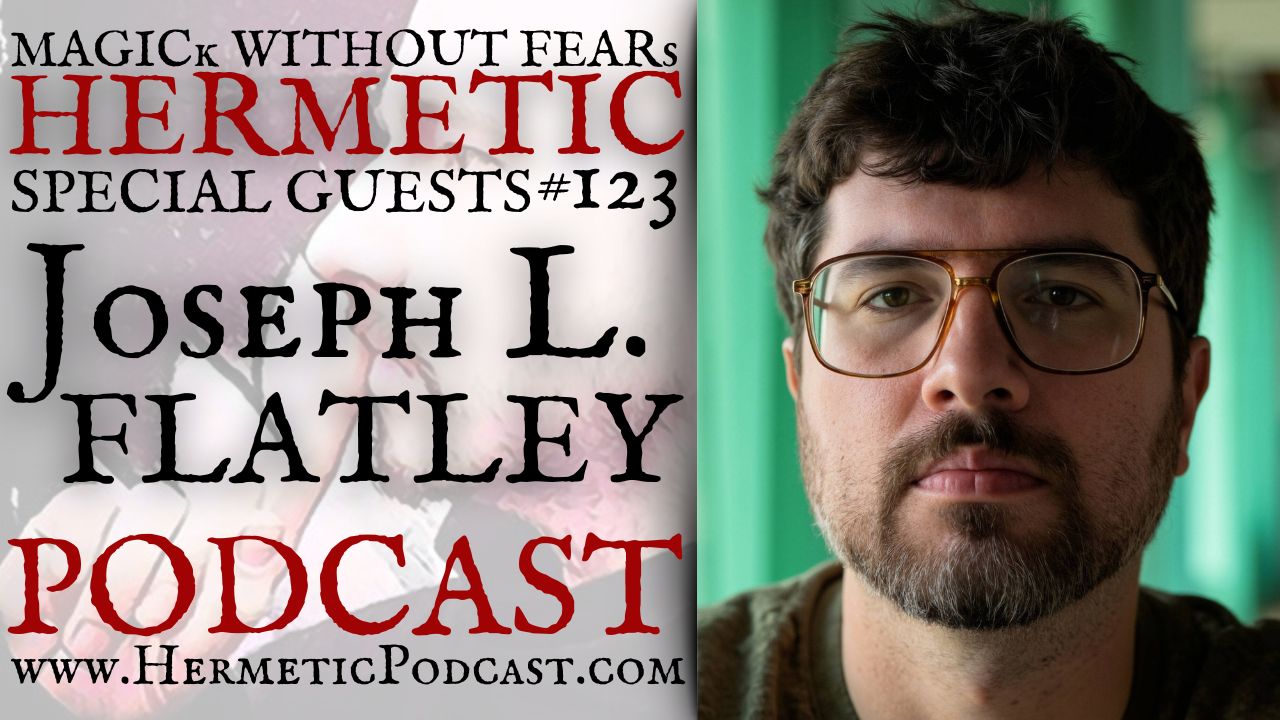
Live HERMETIC PODCAST today with The Occult Timothy Leary author, Joseph L. Flatley: https://www.youtube.com/live/Hu-6iPwAJvQ?si=GY_8WUL_vlnv0NIE at 1pm PDT...attend and ask questions live.
The Occult Side of Timothy Leary: Psychedelics, Tarot, and the Evolution of Consciousness
For most people, Timothy Leary is remembered as the Harvard psychologist who became the face of the psychedelic movement. His name evokes LSD, counterculture rebellion, and the famous call to “turn on, tune in, drop out.” Yet beneath the public persona was another, less explored dimension: a lifelong fascination with Western esotericism, mystical systems, and the hidden possibilities of human consciousness.
Joseph L. Flatley's The Occult Timothy Leary: The Tarot, Magical States, and Post-Terrestrial Evolution offers a fascinating reexamination of Leary's life, presenting him not simply as a psychedelic advocate, but as an occult thinker whose ideas connected psychology, mysticism, technology, and human evolution.
Beyond the Acid Guru
Flatley argues that Leary's interest in altered states was never limited to drugs. Instead, psychedelics became one tool in a much larger quest to understand consciousness and humanity's evolutionary potential.
As R. U. Sirius notes in the book's foreword, Leary's central project was nothing less than "the mapping of the human psyche and its potential for peak experiences, hedonic joy, and evolutionary innovation." Through decades of experimentation and study, Leary sought to chart the hidden territories of the mind and imagine where human consciousness might be heading next.
The book traces this journey from Leary's early career as a respected psychologist through his transformation into a countercultural icon, fugitive philosopher, and visionary futurist.
Mysticism Meets Psychology
One of the most intriguing aspects of Flatley's study is how it connects Leary's psychedelic experiences to his growing interest in esoteric traditions.
Flatley writes that Leary's defining spiritual breakthrough occurred in 1960 when "Timothy Leary's illumination was precipitated by eating sacred mushrooms in Cuernavaca, Mexico." This experience became a turning point, opening the door to a worldview that blended psychology, spirituality, and occult symbolism.
Rather than treating mystical experiences as supernatural phenomena, Leary approached them as states of consciousness that could be explored, mapped, and understood. This perspective eventually led to the development of his influential Eight-Circuit Model of Consciousness, which proposed multiple levels of awareness beyond ordinary waking experience.
The Tarot of Evolution
Perhaps the most original contribution of The Occult Timothy Leary is its exploration of Leary's tarot system.
Many readers know Leary as a psychologist and psychedelic pioneer, but few are aware that he developed his own tarot deck. Flatley demonstrates how Leary connected tarot symbolism with his Eight-Circuit Model, creating a unique framework that linked ancient esoteric imagery with theories of human evolution.
According to the book, Leary viewed the tarot as far more than a fortune-telling device. Instead, it became a symbolic map of consciousness and transformation. Flatley carefully examines the correspondences between the cards, Leary's evolutionary theories, and practical methods of divination.
In Leary's hands, the tarot became a guidebook for personal development, psychological exploration, and even humanity's future trajectory.
A Network of Countercultural Visionaries
The book also places Leary within a larger constellation of influential figures and movements. Readers encounter personalities such as Ram Dass, Robert Anton Wilson, and members of groups including the Weather Underground and the Black Panthers.
These relationships helped shape Leary's evolving ideas about consciousness, freedom, technology, and social change. Flatley presents a rich portrait of a period when psychology, politics, mysticism, and cultural revolution frequently overlapped.
Language as Liberation
Another theme running throughout the book is Leary's fascination with language itself. Flatley notes that "Leary's deliberate use of wordplay and unconventional spellings were a means by which he hoped to break people out of ordinary thinking patterns."
Influenced by writers such as James Joyce, Leary believed that language could either trap consciousness in familiar patterns or help liberate it. His playful terminology, unusual spellings, and conceptual experiments were all attempts to expand the boundaries of thought.
Why This Book Matters
The Occult Timothy Leary succeeds because it moves beyond the clichés surrounding Leary's legacy. Rather than focusing solely on drugs or controversy, Flatley reveals a thinker engaged with some of humanity's oldest questions: What is consciousness? Can it evolve? And what tools can help us understand our place in the universe?
By exploring Leary's interests in tarot, occult philosophy, mystical experience, and future human evolution, Flatley presents a more complete picture of one of the twentieth century's most provocative intellectual adventurers.
For readers interested in psychedelics, Western esotericism, consciousness studies, or countercultural history, The Occult Timothy Leary offers a compelling alternative history of modern occult thought and a deeper understanding of the man who spent his life searching for new frontiers of awareness.
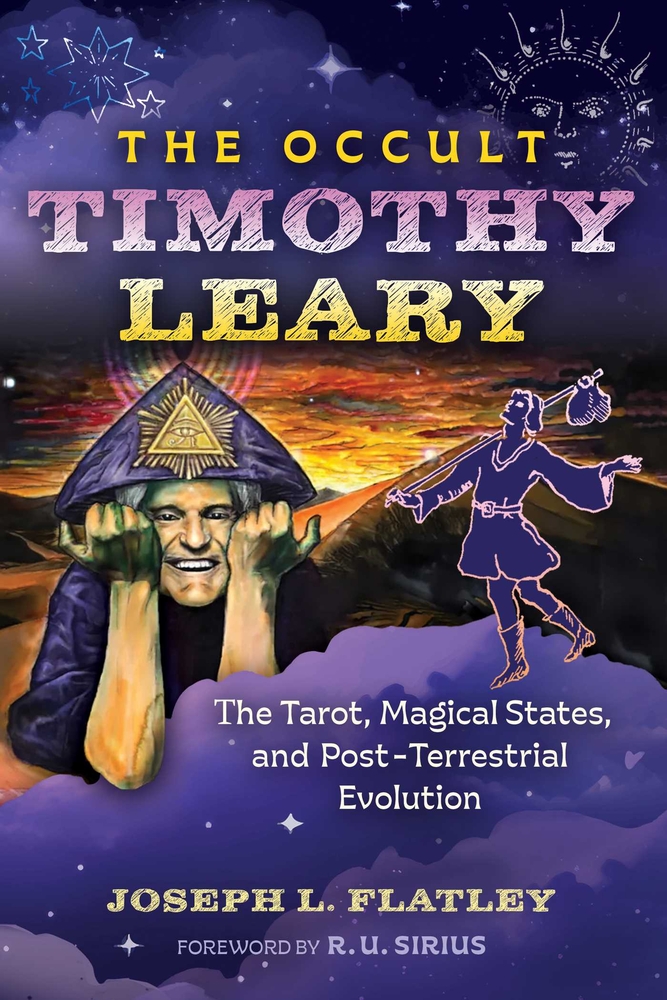
Order this great book today and see Leary's tarot spreads, theory and practice: https://amzn.to/4veatK7